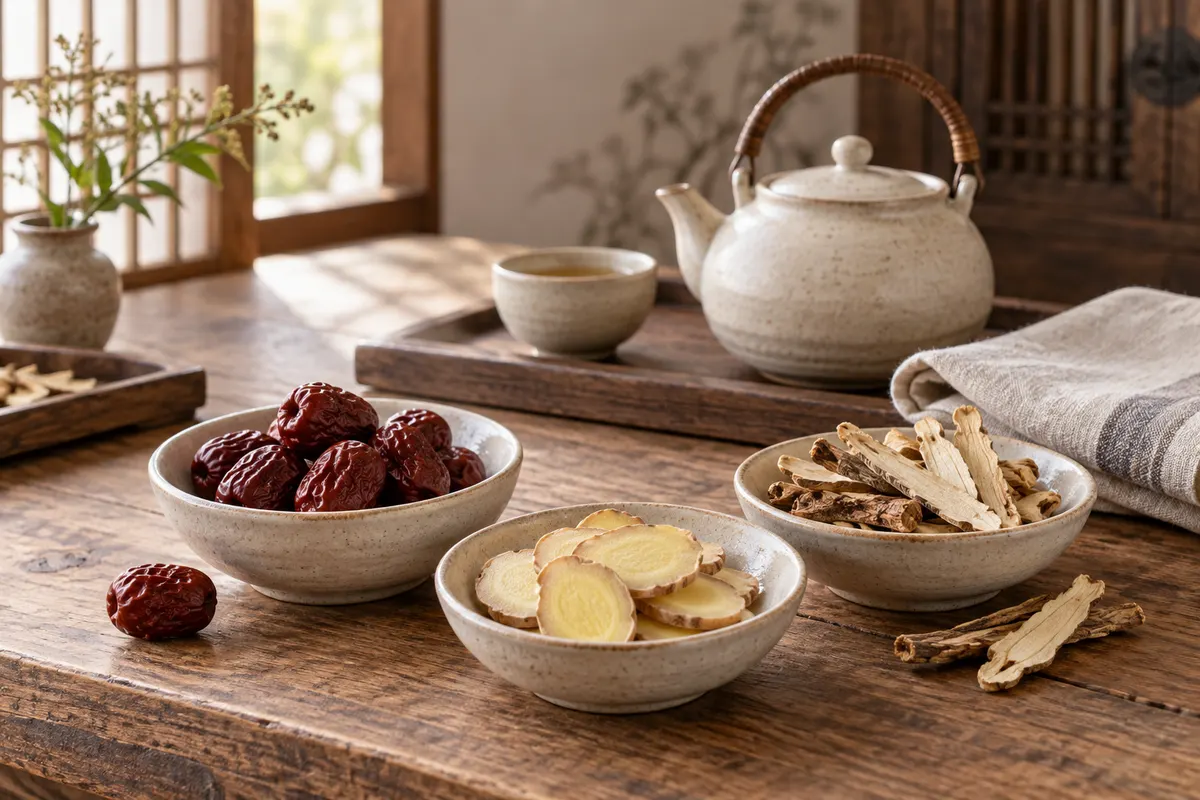
Imagine arriving at a Korean medicine clinic in Seoul and seeing a menu board that reads: 침치료 (Acupuncture) · 추나요법 (Chuna Manual Therapy) · 침도치료 (Acupotomy) · 뜸 (Moxibustion). Four treatments, four unfamiliar romanizations, and a receptionist waiting. Knowing what each term means before you walk in — and what questions to ask — makes the difference between a confident booking and a confused cancellation. This page breaks down the most common Korean medicine treatment names, explains what to look for in a Seoul clinic, and points to two Gangnam providers whose current menus have been verified for this article.
How Korean Medicine Clinics Are Structured
Korean medicine (한의학, hanuihak) is a licensed, government-regulated healthcare system distinct from conventional Western medicine. Clinics are staffed by licensed Korean medicine doctors (한의사, hanuisa) who complete a six-year university program and pass national board examinations. The Ministry of Health and Welfare maintains a registered medical institution system, and international visitors can cross-reference clinics through official channels before booking.
Most clinics in Seoul offer a menu of modalities rather than a single treatment. A patient presenting with neck pain, for example, might receive acupuncture alongside Chuna manual therapy in the same session. Understanding each modality separately helps you describe your concerns accurately and ask informed questions about what a practitioner might recommend for your situation.
Acupuncture: The Starting Point for Most Visitors
Acupuncture (침치료) involves the insertion of fine, sterile needles at specific points on the body. It is the modality most international visitors have heard of, and it forms the foundation of most Korean medicine clinic menus in Seoul. Foreigners seeking acupuncture in Seoul will find it offered across a wide range of clinical contexts — musculoskeletal, neurological, and internal — though what is appropriate for any individual is a clinical decision made after consultation.
Before booking, it is worth asking what the consultation process looks like, how treatment plans are typically communicated, and whether written summaries are available. Confirming session length, the number of sessions commonly suggested for your concern, and payment options before your first appointment saves time and prevents misunderstandings.
Chuna Therapy: Korean Manual Medicine
Chuna therapy in Korea (추나요법) is a hands-on manual approach performed by Korean medicine doctors. It involves structured manipulation and mobilization of the spine and joints, and it is sometimes compared loosely to chiropractic or osteopathic techniques — though it operates within a distinct theoretical and regulatory framework. Chuna is commonly sought for spinal alignment concerns, postural issues, and musculoskeletal discomfort.
Both BONECURE and Hyunginjae currently list Chuna therapy on their menus. If Chuna is a priority for your visit, ask the clinic about their experience with it for your specific concern and how it will be integrated into your treatment schedule.
Acupotomy and TMJ Correction: Specialist Techniques Worth Understanding
Acupotomy
Acupotomy in Korea (침도치료) uses a small blade-tipped needle — larger than a standard acupuncture needle — to address adhesions, scar tissue, and chronic soft-tissue restrictions. It is a more intensive intervention than standard acupuncture and is typically used for stubborn musculoskeletal conditions that have not responded to other approaches. BONECURE currently lists acupotomy as part of its menu. Because it is a more specialized procedure, ask about the practitioner's specific experience with it, what the post-treatment recovery period typically looks like, and whether it is appropriate for your particular concern before committing to a session.
TMJ Correction
Temporomandibular joint (TMJ) correction is listed by BONECURE and addresses jaw joint dysfunction, which can present as jaw pain, clicking, limited mouth opening, or associated headaches. Korean medicine approaches to TMJ may combine acupuncture, Chuna-style manual work on the jaw and cervical spine, and other modalities. Ask the clinic how many sessions are typically involved and what self-care is recommended between visits.
Cosmetic Acupuncture and Facial Treatments
Cosmetic acupuncture in Seoul (미용침) has become one of the more visible reasons international visitors seek out a Korean medicine clinic. The treatment applies acupuncture principles to facial concerns such as skin tone, muscle tension, and facial symmetry. Hyunginjae currently lists both facial-asymmetry cosmetic acupuncture and body-contouring packages on its menu, making it a relevant option for visitors whose primary interest is aesthetic rather than pain-related.
Approach cosmetic acupuncture with realistic expectations. Results vary between individuals, and no ethical provider will guarantee specific outcomes. A useful pre-booking question is how the clinic assesses suitability for cosmetic treatments and what a recommended course of sessions looks like for a short-stay visitor — particularly if your time in Korea is limited to a week or less.
Moxibustion and Cupping: Thermal and Suction Therapies
Moxibustion in Seoul (뜸) involves burning dried mugwort near or on acupuncture points to generate warmth and stimulate circulation. It is often combined with acupuncture in the same session rather than offered as a standalone treatment. Cupping therapy in Seoul (부항) uses suction cups — glass, silicone, or plastic — placed on the skin to encourage blood flow and ease muscle tension. Both are common adjunct therapies and are frequently woven into broader treatment sessions.
Hyunginjae currently lists both cupping and moxibustion. If you have sensitive skin, a low tolerance for heat, or any circulatory conditions, mention these before treatment begins. Temporary skin marks from cupping are normal and typically fade within several days — worth knowing before any appearance-sensitive plans later in your trip.
Practical Logistics for Visiting a Seoul Clinic
Both BONECURE and Hyunginjae are located in the Gangnam area, which is well connected by Seoul Metro Line 2 and Line 9. Bring your passport, any relevant medical records or imaging (MRI, X-ray) if you have them, and a written summary of your current medications — including supplements — since some Korean medicine treatments have contraindications with certain drugs.
Booking in advance is strongly recommended, particularly for specialist procedures like acupotomy or multi-session cosmetic packages. Confirm the clinic's cancellation policy, whether a deposit is required, and how payment is handled. All services, pricing, availability, and practitioner details should be confirmed directly with the clinic before your visit, as menus and schedules change.
Starting Your Consultation
Seoul's concentration of licensed Korean medicine clinics in areas like Gangnam gives visitors genuine options for combining health and aesthetic care within a single trip. Whether your interest is structural — spinal concerns, jaw dysfunction, chronic muscle tension — or cosmetic, the most productive first step is a consultation rather than a pre-selected treatment. Describe your concern clearly, ask what the practitioner recommends and why, and confirm what a realistic course of care looks like given your available time in Korea. BONECURE and Hyunginjae are two verified starting points for that conversation. For further guidance on finding a suitable provider, visit our consultation page.
Official and Professional References
- Medical Korea — Registered Medical Institution System
- Medical Korea — Convenient Medical Services for Foreign Patients
Current providers for this topic
Continue from this guide to the current listings below. Check the exact services, location and enquiry options on each profile. This is a directory selection, not a quality ranking or confirmed availability.
 Acupuncture Hyunginjae Gangnam Diet KoreaGangnamView current menus, photos and location →
 BONECURE Korean Medicine ClinicGangnamView current menus, photos and location →