Exploring Hongdae During the Day
Hongdae has a reputation built almost entirely on its after-dark energy — clubs, live music, crowds spilling onto the street at 2 a.m. That reputation is earned, but it obscures what the area actually offers between roughly 10 a.m. and 5 p.m. The best Hongdae things to do during daylight hours include independent bookshops, specialty coffee roasters, Korean street food, and one of Seoul's most relaxed weekend markets. Add the adjacent neighbourhoods of Mangwon and Yeonnam-dong, and you have a half-day that rewards slow walking and small decisions far more than any nightlife crawl.
This route runs west to east — Mangwon Market first, then Yeonnam-dong, then Hongdae proper — which follows the natural geography and keeps you moving with the morning crowds rather than against them.
Getting to Mangwon Market: The Practical Starting Point
Take Line 6 to Mangwon Station and follow current station signage or your map app to the market. If you are coming from central Seoul, check the Seoul subway guide and the official Seoul Metro route planner before leaving your accommodation.
Weekend conditions vary, so check current market information and arrive earlier in the day if you prefer a quieter visit.
Mangwon Market: Food First, Then Browsing
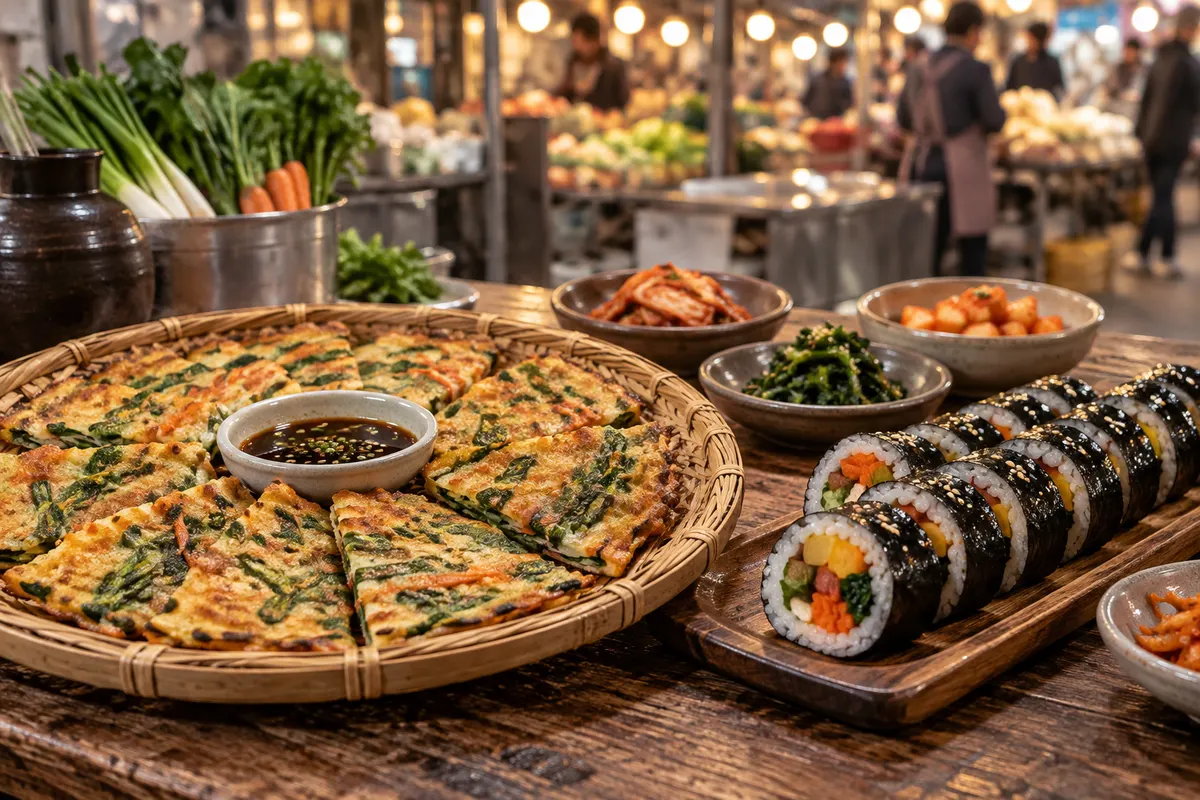
Mangwon is a covered neighbourhood market — smaller and less tourist-facing than Gwangjang or Namdaemun, which is part of its appeal. The food stalls along the main corridor are the reason to come. Look for:
- Hotteok (sweet pancakes filled with brown sugar and nuts) — best eaten immediately
- Bindaetteok (mung bean pancakes), fried to order
- Seasonal fruit cups, usually cheaper here than in convenience stores
- Banchan (side dish) stalls if you have access to a kitchen and want to cook
The market also has a small section of household goods and clothing that locals actually use, which gives it a different texture from the tourist-oriented markets. Prices are not fixed at most stalls, but aggressive bargaining is unusual — a polite ask occasionally works on multiples. If you want to compare Seoul markets before deciding where to spend your morning, that's worth doing in advance, since Mangwon suits people who prefer atmosphere over spectacle.
The Walk to Yeonnam-dong: A Neighbourhood That Has Changed
From Mangwon, continue toward Yeonnam-dong using a current walking route. The neighbourhood sits between the market and Hongdae's main commercial strip. Because of Yeonnam-dong's rising popularity, rents have gone up and many original independent shops have been replaced by newer businesses. What you find now is still good — the café density is genuinely high and quality is competitive — but it's worth managing expectations if you've read older travel accounts describing it as undiscovered. Residential streets still run parallel to the busier ones, so the contrast is immediate if you step half a block off the main drag.
Gyeongui Line Forest Park cuts through Yeonnam-dong as a long, narrow green corridor built on a former railway line. It's a useful landmark and a decent place to sit if the cafés feel crowded. On weekends, small vendors sometimes set up along the park path, though this varies by season and is not guaranteed.
Yeonnam-dong Cafés: How to Choose Without Overthinking It
There are more cafés per block in Yeonnam-dong than almost anywhere else in Seoul. A few practical filters help narrow it down. If you want specialty coffee with single-origin beans and pour-over options, look for smaller roasters with visible equipment rather than the larger Instagram-friendly spaces, which tend to prioritise aesthetics over the cup. If you want something to eat alongside coffee, the bakery-cafés — several of which focus on sourdough or European-style pastries — are a better bet than standalone coffee shops.
Seating is competitive on weekend mornings. Arriving before 11 a.m. or after 2 p.m. gives you better odds of finding a table without waiting. Most cafés here do not take reservations for walk-in daytime service.
Moving Into Hongdae: What the Daytime Actually Looks Like
Hongdae Station (Line 2, also served by the Airport Railroad and Gyeongui-Jungang Line) is the practical eastern boundary of this route. The streets immediately around the station are the most commercial — franchise coffee, fast fashion, Korean fried chicken chains. These are fine for what they are, but the more interesting daytime activities in Hongdae are found by walking slightly north or south of the main pedestrian street.
Artist markets and street events may appear in the Hongdae area, but schedules change. Confirm the current event and location before building it into the day. Hours and exact location shift seasonally, so checking current details before you go is sensible — the Visit Seoul budget traveller route covers this area and is updated more regularly than most third-party guides.
Street performers appear in the afternoon, particularly on weekends. The energy is real but not overwhelming during daylight hours — it's a different place entirely from the post-midnight version that most people have seen in photos.
Small Shops Worth Slowing Down For
Hongdae's independent retail is one of its genuine strengths during the day. The side streets hold a mix of vintage clothing stores, Korean indie fashion labels, record shops, and stationery boutiques. None of these require a plan — the point is to walk slowly and look. A few categories worth knowing about:
- Vintage and secondhand clothing: concentrated on the streets north of the main drag, with prices that vary widely by shop
- Korean indie fashion: smaller labels with their own storefronts, often with limited sizing — worth trying things on rather than assuming
- Stationery and design goods: several shops stock Korean-made notebooks, pens, and printed goods that travel well
- Record shops: a small but persistent vinyl scene, mostly Korean indie and jazz
Practical Notes Before You Go
This half-day works best starting around 10 a.m. and finishing by 4 or 5 p.m., before the evening crowds arrive. The entire route is walkable, though comfortable shoes matter — the streets are uneven in places, particularly in the older market sections.
If you need in-person tourist assistance, check Visit Seoul's official directory for centre locations, hours and currently available languages.
For planning other parts of your Seoul trip, Seoul Beauty Trip covers neighbourhood guides and practical logistics across the city.
Keep in mind that this area changes quickly. Cafés open and close, markets adjust their hours, and what was a reliable recommendation two years ago may have shifted. Verifying specific spots closer to your travel date is always worth the five minutes it takes.
Frequently Asked Questions
Is Mangwon Market open every day?
Mangwon Market operates most days, but individual stalls may close on Mondays or during public holidays. Weekend mornings offer the fullest selection of food stalls. Checking current hours through Visit Seoul or contacting the market directly before a special trip is advisable.
How long does this half-day route actually take?
The route can fill a half-day, but the pace depends on how long you spend eating, browsing and sitting in cafés. The route compresses easily if you're short on time or expands naturally if you find a café or shop worth lingering in.
Is this area suitable for visitors who don't speak Korean?
Menus and ordering methods vary. Keep a translation app ready, and show the Korean place name or item on your phone when needed.
Official Sources
Explore current providers in Hongdae
Continue from this guide to the current listings below. Check the exact services, location and enquiry options on each profile. This is a directory selection, not a quality ranking or confirmed availability.
 DELVE CLINICHongdaeView current menus, photos and location →