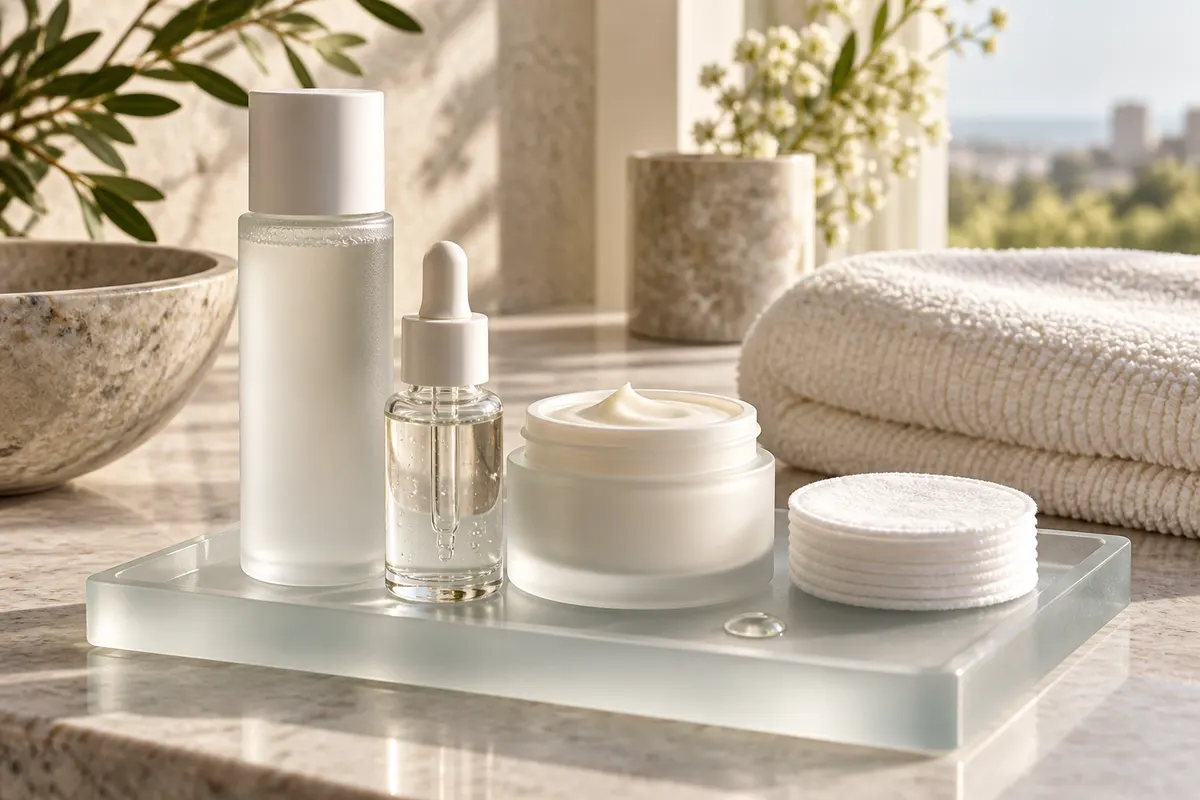
There Is No Single Best Store
Seoul has an extraordinary density of skincare retail, and the temptation is to treat it as one giant beauty mall. It isn't. Olive Young stocks different products than a brand flagship. A department store counter offers a different experience than a Myeongdong street stall. Duty-free pricing can be genuinely lower, but only if your timing and purchase threshold align. The right starting point depends on what you already know about your skin, how much time you have, and if you are chasing specific products or are open to discovery.
The sections below compare the useful differences between each shopping channel.
Olive Young: The Reliable Baseline for Most Visitors
Olive Young is a large South Korean health-and-beauty retailer with many locations across Seoul. It carries cosmetics, personal-care products and other consumer goods, but it is not a pharmacy or medical clinic. Its shelves mix mass-market staples, mid-range favourites and products currently popular on social media.
For first-timers, the practical advantages are real. Staff in larger branches often speak basic English. Products are labeled clearly, and the store layout groups items by category rather than brand, which makes comparison shopping easier. You can pick up sunscreens, toners, sheet masks, and lip balms in a single pass without committing to a brand counter experience.
The tradeoff: Olive Young doesn't carry every brand, and some niche or prestige lines are absent entirely. Prices are generally fair but not dramatically cheaper than buying Korean brands through reputable international retailers. The real value is access to products that haven't reached global distribution yet, and the ability to read ingredient lists in person before buying.
Olive Young locations in major districts such as Hongdae, Gangnam and Myeongdong are convenient places to compare several product categories. Stock varies by branch and date. Smaller neighborhood branches are convenient but may have limited shade ranges or sold-out hero products.
Myeongdong: High Density, High Noise, Real Finds
Myeongdong remains Seoul's most concentrated skincare shopping district. Within a few blocks, you'll find standalone brand stores for Innisfree, Laneige, COSRX, Etude, and dozens of others, alongside street vendors selling sheet masks and toners at negotiable prices.
The brand flagships here are worth visiting if you already know which label you want. Staff are trained on their own products, samples are generous, and some locations carry exclusive or limited-edition items not available elsewhere. Brand flagships may carry a broader range or exclusive items. Check the brand’s own site before making a special trip.
Street vendors in Myeongdong can offer genuine deals on sheet masks bought in bulk, but quality control is inconsistent and expiry dates deserve a close look. The area gets extremely crowded on weekend evenings, which makes careful label-reading difficult. A weekday morning visit is a different experience entirely.
Myeongdong skincare shopping rewards visitors who arrive with a short list rather than an open-ended browse. Without a plan, the volume of choice and the persistent sampling offers from brand staff can make decision-making harder, not easier.
Department Stores: When Prestige Brands and Service Matter
Lotte, Shinsegae, and Hyundai department stores carry Korean prestige lines — Sulwhasoo, History of Whoo, O HUI — alongside international luxury brands. The counters are staffed by trained beauty advisors who can do skin consultations and apply products before you commit.
This channel makes sense if you're interested in traditional Korean herbal-based skincare (hanbang), if you want a more considered shopping experience, or if you're buying a gift that needs to look premium. Prices at department store counters are typically higher than at Olive Young for comparable product tiers, and the atmosphere is formal enough that casual browsing feels slightly awkward.
One practical note: department stores in Seoul often participate in tax-refund schemes, and the paperwork process is more streamlined at larger retailers. If you're planning significant purchases, understanding the Korea tax-refund guide before you shop can save a meaningful amount — the refund threshold and process vary by store and purchase size.
Duty-Free Shops: Good Value With Conditions
Seoul has both in-city duty-free stores (in Myeongdong and near major hotels) and airport duty-free at Incheon. Korean skincare brands are well represented, and pricing on some prestige lines can be noticeably lower than retail.
The conditions matter, though. In-city duty-free purchases are collected at the airport on departure, which means you can't use the products during your trip. Incheon airport duty-free is available immediately but requires time before your flight. Some brands may impose purchase limits, so confirm with the retailer before relying on a bulk purchase. And the selection, while broad, doesn't include every product in a brand's range — duty-free buyers sometimes find that the specific shade or formulation they wanted isn't stocked.
Duty-free works best for visitors who have already identified exactly what they want, are buying enough to make the logistics worthwhile, and have confirmed the item is available in that channel before relying on it.
Pharmacies and Clinics: Know the Difference
Korean pharmacies (약국, yakguk) provide medicines and pharmacist advice. What can be supplied without a prescription depends on the exact ingredient, strength, formulation and its classification in Korea, so do not assume that a familiar product is sold under the same rules as in your home country.
Some clinics also sell skincare or post-care products, but a retail product is not the same as a medical diagnosis or prescribed treatment. If you have a skin symptom, share your allergies, current medicines, and pregnancy or breastfeeding status, and ask the pharmacist whether medical assessment is more appropriate. The Seoul pharmacy skincare guide explains what information to bring and when to seek medical care.
English support and stock vary by location. Bring the product name or ingredient you are looking for, ask the pharmacist to confirm the exact product and directions, and avoid choosing an item simply because it is described as stronger.
Practical Decisions Before You Shop
A few things worth settling before you arrive:
- Know your skin type and concerns in writing. Translation apps work, but having a note with your skin type, any allergies, and the product category you want saves time at counters and pharmacies.
- Check your airline's liquid allowance. Skincare is heavy and often liquid. Buying more than your carry-on allows means checked luggage or shipping costs.
- Photograph ingredient lists. If you have known sensitivities, photographing Korean-language ingredient panels lets you check them later with a translation tool rather than holding up a queue.
- Keep receipts for tax refund. The Korea tax-refund system applies to purchases above a minimum threshold at participating retailers. Receipts are required, and the refund process has a deadline relative to your departure date. Refund routes and eligibility depend on the retailer, purchase and current rules. Check the current VISITKOREA tax-refund guide before travelling. The specifics shift periodically, so check current rules before you go.
For a broader look at what's available across Seoul's beauty scene, the Explore Seoul beauty providers section covers clinics, spas, and specialist retailers beyond standard retail.
FAQ
Is it cheaper to buy Korean skincare in Seoul than abroad?
For products that are widely exported, the price difference is often smaller than expected once you account for currency exchange and the effort of shopping in person. The real advantage is access — products that haven't reached international distribution, full shade ranges, and the ability to sample before buying. Duty-free and tax-refund purchases can offer genuine savings on higher-priced items.
Are products sold in Myeongdong authentic?
Brand-owned flagship stores and authorized chains like Olive Young sell authentic products. Street vendors and very small independent stalls carry more risk, particularly for high-demand items that are frequently counterfeited. Buying directly from brand stores or established retailers is the straightforward way to avoid this concern.
How does the Korea tax refund work for skincare purchases?
Tourists can claim a VAT refund on purchases above a minimum amount at participating retailers, which display a tax-refund logo. You'll need your passport, original receipts, and the completed refund form. Refunds can be processed at Incheon airport or at in-city refund kiosks in major shopping areas — some retailers also offer immediate refunds at the point of sale. Details on thresholds and procedures change periodically, so confirming current rules before your trip is worthwhile.
Official Sources
Explore current providers on Seoul Beauty Trip
Continue from this guide to the current listings below. Check the exact services, location and enquiry options on each profile. This is a directory selection, not a quality ranking or confirmed availability.
 Acupuncture Hyunginjae Gangnam Diet KoreaGangnamView current menus, photos and location →
 BEAF ClinicGangseoView current menus, photos and location →
 BONECURE Korean Medicine ClinicGangnamView current menus, photos and location →
 DELVE CLINICHongdaeView current menus, photos and location →
 ELEV ClinicGangnamView current menus, photos and location →
 Glovi G-Thera Anti-Aging ClinicGangnamView current menus, photos and location →