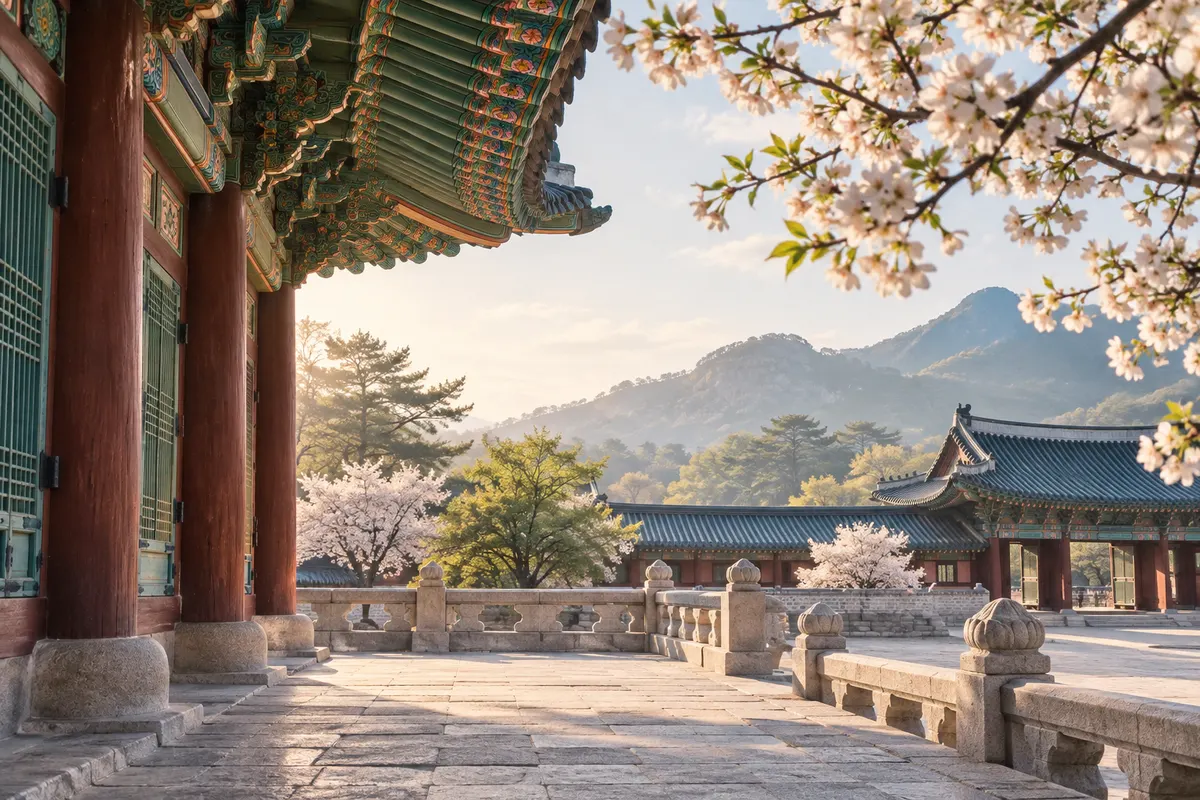
Why There Is No Single Best Month for Seoul
The best time to visit Seoul depends on the activities and weather you prefer. Spring and autumn get most of the attention in travel writing, and for good reason — but winter suits budget travellers and skincare shoppers, and summer has its own logic for festival-goers and those who simply cannot travel at other times of year.
Seoul experiences four distinct seasons. That means the city is not one of those destinations where a single window dominates and everything else is a compromise. The more useful question is: what do you want from the trip? Outdoor hiking, shopping, food markets, palace visits, K-beauty clinics — each has a different seasonal sweet spot. This guide works through the year with that in mind.
One important caveat before the detail: climate normals describe averages over decades. Any specific forecast — including cherry blossom peak dates — can shift by one to two weeks depending on the year. Check the Korea Meteorological Administration closer to your travel date rather than relying on historical averages alone.
Spring (March to May): High Reward, High Competition
Spring is the season most visitors picture when they think of Seoul. Temperatures rise through spring, but the exact range varies by year. Rain is possible but generally light and brief. The famous cherry blossoms typically appear in late March to mid-April, though the exact window shifts year to year.
The tradeoff is straightforward: spring is the most crowded and often the most expensive period. Hotels in central districts book out weeks in advance during blossom season. If you are travelling with a fixed itinerary and limited flexibility, build buffer days around blossom-dependent plans — a cold snap or early warm spell can compress the window to just a few days.
May is arguably the most reliable spring month. Crowds thin slightly after the blossom rush, temperatures are pleasant for walking, and outdoor spaces like Bukhansan National Park are at their most accessible. A 3-day Seoul itinerary in May can cover palaces, markets and hill walks without the logistical pressure of peak blossom weekend.
Summer (June to August): Heat, Humidity and the Monsoon
Seoul's summer is hot and humid. July and August regularly reach 30–35 °C, and the jangma monsoon season runs roughly from late June through late July, bringing sustained rainfall rather than brief showers. This is not a reason to avoid summer entirely, but it does change how you plan each day.
Indoor attractions — the COEX Mall, Lotte World, the many basement food halls, and K-beauty shopping streets — become more appealing when the heat peaks in the afternoon. Evenings cool slightly and street food markets come alive. The Han River parks host summer festivals, and some travellers find the lush green of the city in full leaf genuinely appealing.
Airfares change with route, demand and booking date rather than following one reliable seasonal rule. Use the flights to Seoul planning guide to compare airports and booking factors before choosing dates. If your priorities lean toward shopping, clinics and indoor culture rather than hiking and palace photography, summer is a more reasonable choice than its reputation suggests. Pack light, breathable clothing and expect to use the subway more than you might in cooler months.
Autumn (September to November): The Other Peak Season
September brings relief from the heat almost immediately. By October, daytime temperatures settle around 14–18 °C — cool enough for comfortable walking but warm enough that a light jacket is all you need. Foliage colour typically peaks in late October to early November in the city's parks and mountain trails.
Autumn shares spring's strengths and its main weakness: it is popular, and prices reflect that. Gyeongbokgung and Changdeokgung palaces are particularly photogenic against autumn foliage, and the queues match. Bukhansan sees heavy weekend traffic from locals as well as tourists.
For a trip that balances outdoor sightseeing with food, culture and beauty experiences, autumn is hard to fault. A 5-day beauty and culture itinerary works especially well in October, when the weather supports both long walks between neighbourhoods and clinic appointments without the sweating and sunscreen concerns of summer.
Winter (December to February): Cold, Quiet and Underrated
Seoul winters are cold and dry. Winter temperatures often fall below freezing, and wind can make conditions feel colder. Snow falls occasionally but rarely disrupts travel. The city's heating infrastructure is excellent — underfloor ondol heating in guesthouses and hotels, and warm subway stations — so the cold is manageable with proper layering.
The practical upside is real. Hotel rates drop, popular attractions are far less crowded, and the Myeongdong and Hongdae shopping districts are easier to navigate. K-beauty brands often run winter promotions, and the dry air makes the season a natural fit for travellers interested in skincare consultations and treatments. Many clinics have shorter waiting times in January and February.
The main losses are outdoor comfort and the visual drama of blossom or foliage. Hiking is possible on clear days but requires proper cold-weather gear. If your trip is weighted toward indoor experiences — food, shopping, museums, beauty — winter deserves serious consideration rather than automatic dismissal.
Crowds, Costs and Practical Timing
Peak pricing and crowds cluster around three windows: cherry blossom season (late March to mid-April), the Chuseok and autumn foliage period (late September to early November), and the Lunar New Year holiday, when some businesses close and domestic travel surges. Booking accommodation three to four months ahead is sensible for spring and autumn travel.
Public holidays are worth checking before you finalise dates. During Chuseok and Seollal (Lunar New Year), some smaller restaurants and shops close, and transport to popular destinations fills quickly. The VISITKOREA official site publishes event calendars and public holiday information that can help you avoid or plan around these dates.
Navigation and logistics are straightforward year-round with the right tools. Before you travel, look at the essential Korea travel apps for transit, translation and maps — these make a genuine difference regardless of season.
Matching Season to Your Specific Priorities
- Outdoor hiking and photography: May or October for the most reliable conditions and light.
- Cherry blossoms: Late March to mid-April, but build flexibility into your plans.
- K-beauty shopping and clinic visits: Winter or early spring for shorter queues and potential promotions.
- Food markets and street food: Autumn evenings are ideal; summer evenings work too despite the heat.
- Budget travel: January, February and parts of June offer the lowest accommodation rates.
- Festivals and events: Check the Visit Seoul events calendar, as programming changes annually.
A Note on Weather Forecasts vs. Averages
Travel articles — including this one — work from historical climate data. Averages are useful for planning clothing and general expectations, but Seoul's weather has shown increasing variability. A warm February or a cool May is not unusual. The Korea Meteorological Administration's English-language service provides 10-day forecasts and seasonal outlooks that are worth checking four to six weeks before departure, and again in the final week.
Do not book non-refundable tickets to specific outdoor events based solely on historical blossom or foliage dates. The range of possible peak dates is wider than most travel content implies.
Frequently Asked Questions
Is Seoul worth visiting in winter?
Yes, particularly if your priorities are shopping, indoor culture or beauty treatments. The cold is real but manageable, crowds are thinner, and prices are lower than in spring or autumn. Pack thermal layers and waterproof boots and the city remains fully accessible.
How bad is the rainy season in Seoul?
The monsoon period (roughly late June to late July) brings sustained rain rather than all-day downpours. Most days still have dry windows, and the city functions normally. A compact umbrella is essential, and planning indoor activities for afternoon hours makes the season workable. It is not a reason to cancel a trip, but it does require flexible daily planning.
When should I book accommodation for spring travel?
For travel during late March and April, booking two to three months in advance is advisable for central districts like Myeongdong, Insadong and Hongdae. Popular guesthouses and mid-range hotels in these areas fill quickly once blossom forecasts start circulating. Flexibility on exact dates — even by a few days — can open up more options.
Official Sources
Explore current providers on Seoul Beauty Trip
Continue from this guide to the current listings below. Check the exact services, location and enquiry options on each profile. This is a directory selection, not a quality ranking or confirmed availability.
 Acupuncture Hyunginjae Gangnam Diet KoreaGangnamView current menus, photos and location →
 BEAF ClinicGangseoView current menus, photos and location →
 BONECURE Korean Medicine ClinicGangnamView current menus, photos and location →
 DELVE CLINICHongdaeView current menus, photos and location →
 ELEV ClinicGangnamView current menus, photos and location →
 Glovi G-Thera Anti-Aging ClinicGangnamView current menus, photos and location →